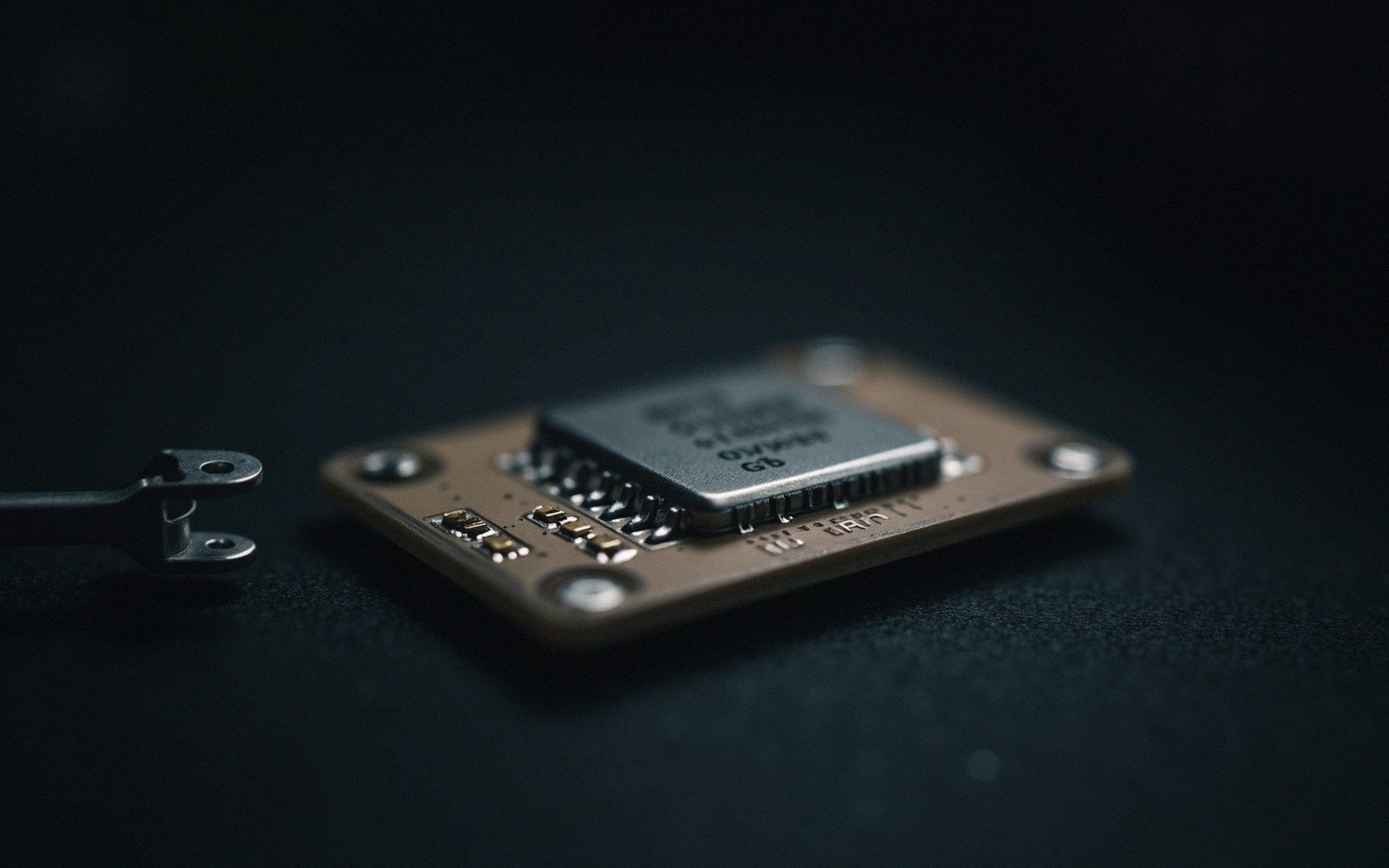
Protecting firmware isn't just an engineering checkbox — it's the boundary between a product and a commodity.[1]
§ 01The lock on the door
Every microcontroller family worth its salt includes some mechanism to prevent a debugger or programmer from reading back the flash contents after programming. On Arm Cortex-M devices this is typically called read-out protection, or RDP. PIC devices have a code-protect fuse. AVR parts have lock bits. The names differ; the intent is identical: once the part ships, the firmware stays inside.
 Enlarge ⤢
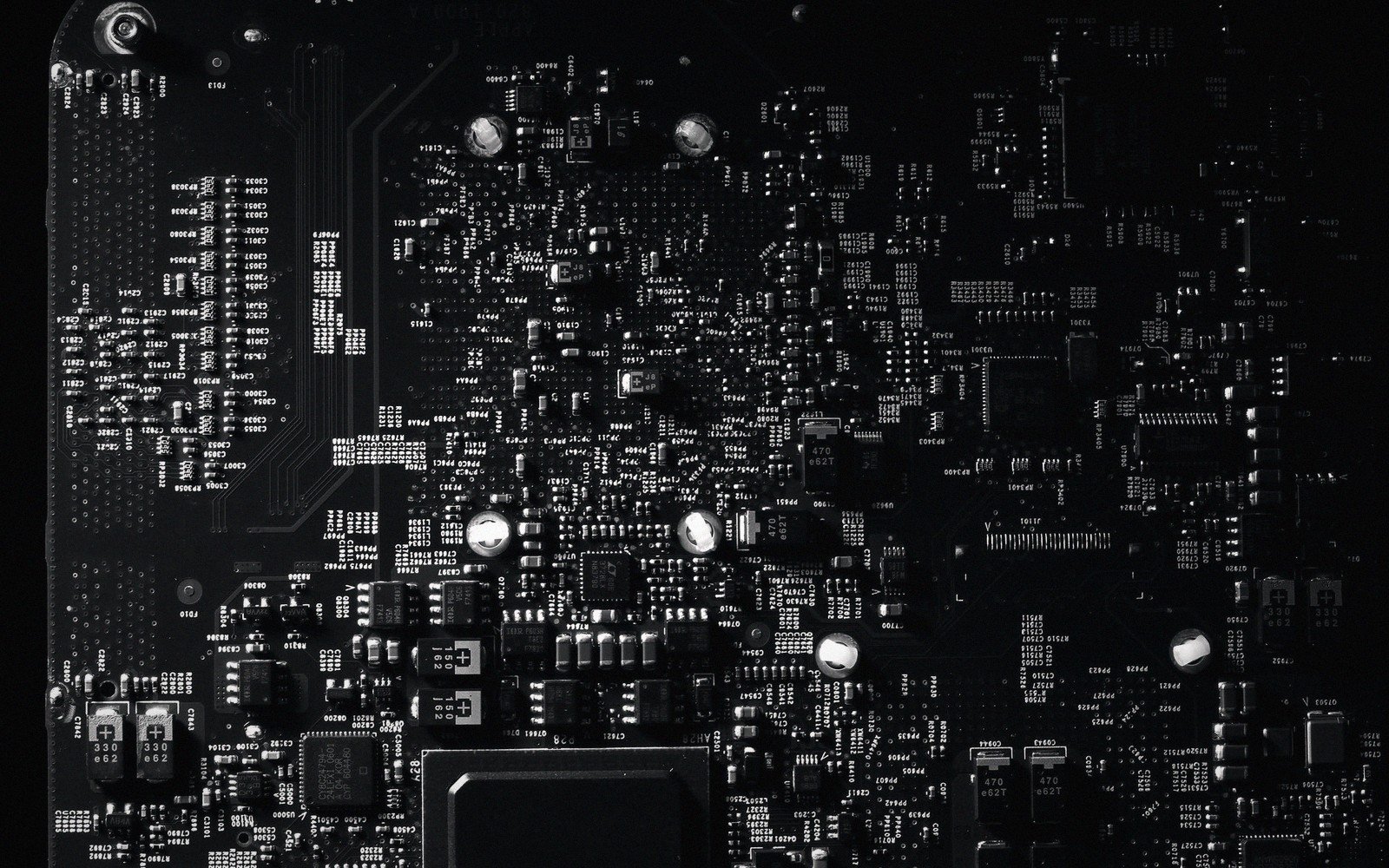
The threat model is straightforward. A bare PCB sitting on a distributor's shelf, or returned under warranty, or bought openly in quantity by a competitor, carries the compiled binary for your entire product. Without protection, a device programmer can read that binary back in seconds — no reverse engineering, no disassembly, no deep expertise required. The attacker simply clones the flash image onto blank parts and sells a working copy of your product for the cost of the silicon.
Read-out protection closes that door. The debug port is disabled, the memory bus is locked to user code only, and any attempt to read flash over JTAG or SWD returns garbage or triggers a bus fault. The firmware still runs — the CPU has full internal access — but the contents become unobservable from outside.
§ 02A business decision wearing technical clothes
Engineers sometimes treat RDP as an afterthought, something to set before the final firmware build. That framing misses what it actually protects. The binary represents development time, calibration data, proprietary algorithms, and the hard-won knowledge of why a particular sensor behaves the way it does. Cloning the hardware is a supply-chain exercise; cloning the firmware is cloning the engineering.
There is also a safety dimension. Medical, industrial and automotive firmware carries implicit assurances about behaviour under fault conditions. A cloned binary running on a part that was never qualified for that software is a liability risk for the original manufacturer — and a real risk for the end user.
Most protection schemes also include graduated levels: a softer setting that locks external read-back but still permits in-system re-programming, and a harder setting that makes the part effectively one-time-programmable. Choosing between them is a production workflow question as much as a security one. Field updates, test fixtures, warranty repair — all of these become more complicated the higher the lock is set, which is why the decision belongs in the product design phase, not the final firmware checklist.
Notes
- This page is about why the feature exists and what it costs you. It is not a guide to getting around it, and never will be. ↩